Bloglovin Widget

Wednesday, November 2, 2016

Discovering new ingredients at a Vietnamese Supermarket


So here I am at Vietnam town, San Jose. I brought a group of moms to Maxim Supermarket (995 Mclaughlin Ave) to familiarize them with vegetables and sauces of an Asian kitchen.

My favorite part of the Vietnamese supermarket is the herb section. Herbs are essential in Vietnamese cuisine.  The varieties of mint, basil and coriander are different to the Western variety. Notice the banana blossoms on the top left corner


This is the Saw Leaf Herb, named because of the jagged edges. It is usually served with Vietnamese Beef Pho. 


Galangal or Blue Ginger, is used extensively in South-east Asian cooking, especially curries. 

Saw Leaf Herb on top of my beef pho
Vietnamese Basil in the foreground and Rau Ram in the background, a herb that is used in South-east Asian cooking, known for its aromatic scent


And of course, navigating the sauce section can be tricky and confusing for the first-timer. 
 Here are some of my inputs:

Fish Sauce - Thai or Vietnamese? The Thai version is stronger in flavor and the Vietnamese version is slightly more delicate. So if you're cooking Vietnamese, definitely go for the Vietnamese brand but if you prefer more robust flavors, reach for the Thai version.

I love the seafood section. There's so much variety. And they gut, clean and scale the fish for you. 
And my last word of advice, EXPLORE and be ADVENTUROUS! Go, bring home some herbs and incorporate into your cooking.


Tuesday, October 11, 2016

Bonjour Vietnam

Of late, Vietnamese cuisine has gotten quite a lot of exposure on social media. President Obama conversing with Anthony Bourdain over bowls of Banh Cuon in Hanoi and Bon Appetit's video "This is how you should be eating Pho"which caused a backlash with many food bloggers.

The last time I went to Vietnam with my sister-in-law, Hiep, we went on a food journey from Ho Chi Minh to Hanoi, discovering wonderful Vietnamese dishes along the way. Vietnamese cuisine is so interesting because of its many influences from myriad cultures.

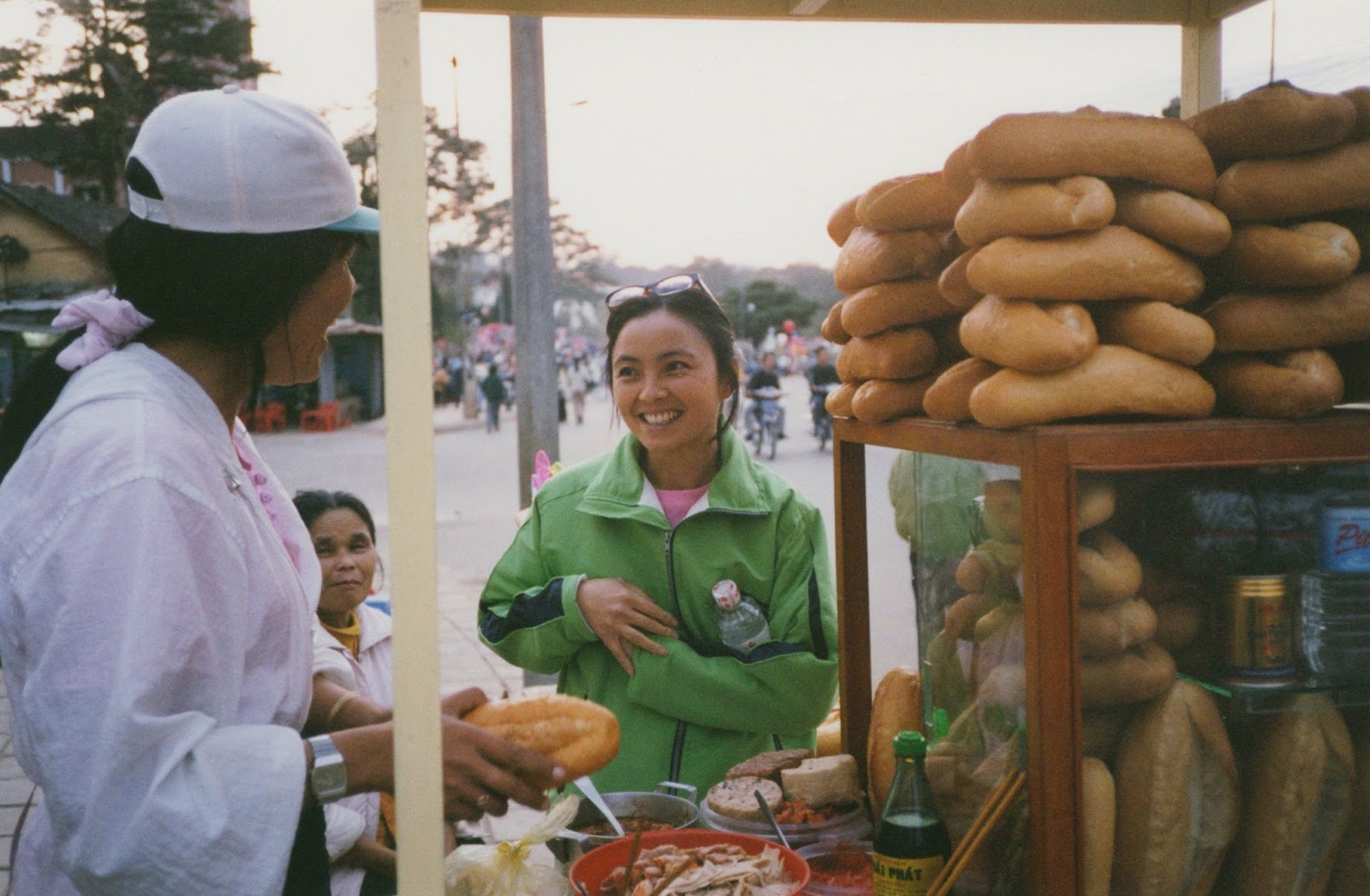
My sister-in-law with a Banh Mi Hawker 
Banh Mi is a popular street food that you can get in roadside stalls in Vietnam. From afar, it looks like a baguette sandwich - cold meats and pate served on Baguette. On closer inspection, you will find that the baguette is made with rice flour and the sandwich is filled with Asian pickles and herbs.
"Vietnamese food is all about smell and color, all of the five senses has to be engaged" says Hiep.

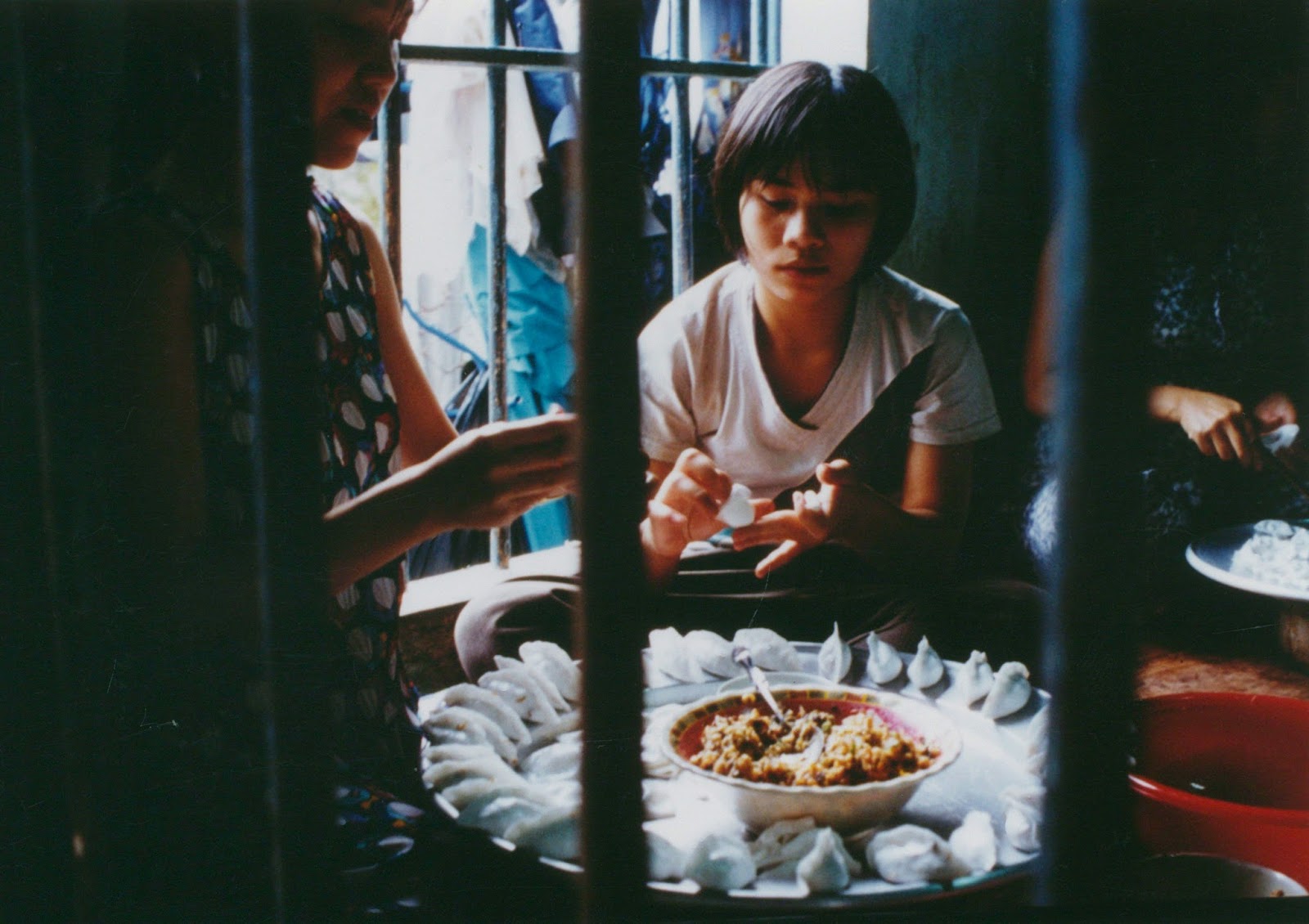
Making dumplings in Hoi An
Bo Bit Tet, Steak and Egg Breakfast on a hotplate

My sister-in-law introduced me to a wide spectrum of food, from Bun Bo Hue, spicy beef noodles from Hue, associated with royal cuisine to Bo Bit Tet (steak and eggs breakfast on a hotplate), popular in her hometown in Danang. Perhaps the influence for this dish was from the Americans when they were based in Danang.

The quintessential Pho is another example of a dish that has benefited from multicultural influence. It is said that the Chinese introduced noodles to Vietnam, the Mongols introduced Beef in the 10th century and the French popularized the Bullion, but it was the Vietnamese that married all these influences and made it their own - the clarity of the soup stock, the freshness of the herbs, the spice base of the soup, the cuts of meat.

Take a look at this video by the Culinary Institute of America. I have added here an adapted recipe from the book, "The Food of Vietnam" by Trieu Thi Choi (with inputs from my sister-in-law):

Recipe for Pho Bo

1 piece of fresh ginger
1 large onion
1 shallot
1 kg (2lbs) beef bones (knuckle bones, marrow and oxtail)
400g (13oz) beef brisket
Salt, sugar to taste
1-2 Tbsp Fish Sauce
4-5 pieces Star Anise
1-2 Cinnamon Stick
tsp each of cloves, fennel seeds, cardamon
1 cup bean sprouts
8 oz Rice Noodles
8 oz raw beef strip loin (thinly sliced)
1 medium onion, sliced thinly
1/4 cup sliced spring onion
coriander leaves, basil, vietnamese mint, saw leaf herbs


1/ Grill ginger, onion and shallot on open flame until skins are charred.
2/ Immerse beef bones and beef brisket in a pot of boiling water to clean the bones
3/ Put beef bones and beef brisket in a fresh stock pot of water
4/ In a shallow pan, toast the spices (but don't burn)
5/ Put spice mix in a bouquet garni bag and add to stock, together with ginger, onions and shalllots
6/ Cook on low heat for at least an hour (preferably four hours) skimming the scum from the top of the soup
7/ Season with fish sauce, salt and sugar
7/ Blanch rice noodles in separate pot of boiling water. Portion into bowls
8/ Top with beef brisket, raw beef, sliced onion, spring onion, coriander
9/ Pour boiling soup into bowl
10/ Arrange a generous portion of herbs, bean sprouts, lime wedges and serve with pho.

By the way, if you are ever in Vietnam, check out the following eateries:

Ho Chi Minh City
Pho Hoa, 260 Pasteur Street (my favorite pho place, you won't be disappointed)
Anh Thu , 49A Dinh Cong Trang, District 1-Q1 (Ban Xeo Vietnamese savory pancakes)

Hanoi
Chaca La Vong, Paint Street, Hanoi (Crispy freshwater fish fried in turmeric, this 100 year old restaurant is an institution)


Monday, September 12, 2016

Easy katsudon recipe for a simple lunch or school lunch


Do you have any leftover chicken, pork cutlets or rice? Turn leftovers into a nice piping hot Japanese meal. Katsudon is a staple dish for many Japanese households. Made of pork cutlet with a runny egg on rice, it is the ultimate comfort food. But the real secret to this dish is the savoury sweet sauce that flavors the egg and blends all the ingredients together. 

For those not familiar with Japanese cuisine, it could be a little daunting, getting to grips with all the ingredients. So we've broken down the katsudon recipe into 9 ingredients:  

- Dashi Stock (1/2 cup) Dashi is a soup stock made from bonito fish. It is also usually flavored with kelp and mushrooms. These are available in little sachets that you can use when needed. It's always good to have this in your pantry as it is useful for other Japanese dishes like Miso soup and Chawanmushi. Make a half cup of dashi for the katsudon recipe. 

- Mirin (1/2 Tbsp) Mirin is a sweet seasoning made out of rice alcohol. This is another staple that you should have in your fridge if you like to make Japanese food

- Sake (1/2 Tbsp) Japanese rice wine. It's always good to have a bottle of sake around. 

- Soya Sauce (1 Tbsp)

- Sugar (1/2-1 Tbsp)

- 2 Eggs (beaten)

- Garnish: Spring Onions or Seaweed (sliced thinly)

Steps: 

1/ Pour the dashi stock, mirin, sake, soya sauce and sugar into a small saucepan and boil. Turn the heat to medium and let simmer for a minute

2/ Add pork or chicken cutlet into the sauce

3/ Add egg mixture. Cover the saucepan with lid and cook until egg is just cooked but still runny

4/ Pour cutlet and egg mixture onto a bowl of steamed rice. Garnish with spring onions or seaweed. 


Tuesday, August 23, 2016

On your way to the perfect Kebab or Sheftalia


In a foodie household, my husband and I usually have competitions to see who can come up with the better dish. Now his specialty is kebab. It's the don't touch category (you can never come close, so don't even try) So I did a little research to see how I can "up" the game.

I dug out a recipe from Falling Cloudberries, a beautiful recipe book featuring a collection of Cypriot, Finnish and South African family recipes by Tessa Kiros. Now technically, the recipe I am using is a recipe for Sheftalia, Cypriot meat parcels. It's basically minced lamb and beef (the original was minced pork and beef) with minced parsley and red onions; wrapped in caul fat.

What is caul fat? 
Caul fat is a membrane of fat (usually beef or lamb) that is used to encase your minced meat. You can get this at a specialty butcher. It is thin and stretchy and looks like lace or a spider's web. You'll have to soak the caul fat in warm water and juice of 1/2 lemon for 30 minutes. Cut the lace-like membrane into square shapes and wrap the minced meat mixture in the caul fat.

I followed the recipe but I also added a few touches. Here are 3 tips to getting the perfect kebab or sheftalia

Spice it up
Cumin is indispensible, freshly grounded coriander works wonders and don't be afraid to salt the kebab generously.

The right Texture
Add sparkling water or soda water to get a more bouncy consistency (about 1/2 a cup for 2 pounds of meat)

Fatten it up
Use minced meat with maximum fat. And if you want them extra juicy, try the caul fat.


Tuesday, March 1, 2016

Making Miso Soup

I love miso soup and I asked a couple of my Japanese friends how they do it at home. I wanted to avoid making miso soup entirely from a packet but I didn't have time to make traditional dashi from scratch.


So here's my 'home cooked version' of miso soup. It doesn't take long to make a good miso soup at home.

Simply put, miso soup is made of dashi stock + konbu (seaweed) + miso paste.

1/  Make the dashi. Put the 'fish sachet' in a pot of water. Use 1 sachet for about 500-600ml water. If you're making more, you might want to put two dashi packs in. Bring to boil. 

DASHI

Dashi stock is basically fish stock made out of bonito flakes. The traditional way of making dashi usually takes an hour. I have found easier options in Nijiya or Mitsuwa supermarket.

This is a packet of pure dried shave bonito. I place the fish flakes in a tea bag holder (see below) This keeps the fish flakes in the packet and you can discard the packet after it has sufficiently flavored the soup.


This dashi pack is called "Iriko". It comprises of sardines, bonito, yeast extract and sardine extract. One packet should be enough for 600 ml.


This wafu dashi is in powdered granule form. It is an all-in-one dashi soup stock. (it has bonito extract and even kelp powder). No coloring, MSG or artificial addtives added.


2/ Add the konbu 

KONBU

You can add real konbu seaweed (sold dried in packets) or in powder form. 


3/ Add miso paste. 2Tbsp for 600ml and  3-4 Tbsp for 1 litre. Adjust taste. Miso is salty so add gradually.  

MISO PASTE
White miso paste is used for miso soup. My japanese friend tells me that most of the brands are the same. I picked up this brand at Nijiya as it had dashi and miso and it worked well. 


I found this miso paste at Lion supermarket in San Jose. I picked it up as it had no MSG and was GMO free. This paste is a little darker but also works well with miso soup. 

Other Ingredients

I usually add shimeiji mushrooms, soft tofu and very finely chopped spring onions. For an added seafood taste, I love to add clams. The best of course, is to use fresh clams. However I recently found out from my Japanese friend that you can buy frozen clams in small packets in the frozen section in Nijiya. It doesn't replace the taste of fresh live clams but its really convenient to open a packet after a long day at work. 

Wednesday, December 16, 2015

Jaan - freshest ingredients taken to new culinary heights

Singapore is indeed a food paradise. Every time I return, I am struck by the choice of good restaurants and eating places. From hawker establishments to gastronomic restaurants, you're spoilt for choice.

This time, my friend, who is a chef at Jaan, invited me over to sample a complimentary lunch. Helmed by British born chef de cuisine Kirk Westaway, Jaan currently ranks 11th place in Asia's 50 best restaurants awards and creates modern French culinary masterpieces. I was excited to sample their signature dishes.

Located on the 70th floor of Swissotel Stanford, the view of the Singapore skyline is stunning. The sea of buildings below is testament to the rapid development of Singapore - from colonial times through postmodern and on to present day Singapore. The colonial Raffles Hotel sits next to Sir Norman Foster's latest skyscraper which boasts a bold undulating roof. Further away, rows of housing board flats stand in symmetry and on the other side we could see the marina barrage and the iconic Marina Bay Sands casino. Against this backdrop, we were served a beautifully executed lunch. Here are some of the highlights below:


Our starter was a majestic Irish oyster with artichoke puree and caviar. The artichoke was a good contrast to the rich succulent oyster. I must say this was my favorite dish.  


One of Jaan's signature starters was the Heirloom Tomato with burrata cheese. It was composed beautifully. I was told later by the culinary team that this is a hard dish to execute as it is quite intricate.


The team at Jaan really knows how to whet an appetite. For one of their signature dishes (rosemary smoked organic eggs with ratte potato) They brought out a basket of eggs and cracked it open in front of us; it was accompanied with a dramatic smoke effect. We were intrigued from the start to the last bite of the dish.


Our main dish was a forest pigeon, roasted with rosemary on a bed of hay.


The immaculately prepared chocolate dessert was a fitting end to a magnificent meal. I would definitely recommend Jaan. I heard there is a waiting list for a table but the wait is worth it. Thanks to the young dynamic team at Jaan, the freshest of ingredients are taken to new culinary heights.

http://www.jaan.com.sg/

Saturday, December 5, 2015

Fried Rice Challenge


So I just conducted a cooking course for 8 moms! One of the most common request from my students is how to make Fried Rice. The thing is, fried rice is the perfect food to make for your family. Here's all the left over ingredients I found in my fridge (clockwise from top) eggs, mushrooms, asparagus, coriander, dill,  garlic, dried fish, spring onion, shallots and  left over sausages. I added them into my fried rice and had a satisfying meal in 10 minutes flat. It's quick, not wasteful and loved by the kids.


Here are some secrets to making fried rice.

1/ Use leftover rice. It's dry and the best texture for making fried rice
2/ Don't be afraid to experiment with ingredients, just cut them into small slices so that it complements the rice
3/ You can flavor fried rice with soya sauce (Chinese style) fish sauce (Thai style) or dark soya sauce (Indonesian style) just go slow with the seasoning. It's hard to go back once you're heavy handed with the salt ratio
4/ Some other suggestions for ingredients: firm tofu, ham, prawns, peas, broccolini and any vegetable stem (cut the same way as the asparagus above)

And once again, here's a recipe for my friends who can't seem to get their fried rice right (I've used the ingredients in the picture above as an example):
1/ Chop your ingredients (see picture above)
2/Add garlic and onions, fry until soft, push to one side.
3/ Add 3-4 beaten eggs (seasoned with salt), scramble and cook in wok, push to one side
4/  Add hard ingredients (asparagus, sausages)
5/ Add soft ingredients (mushrooms, herbs)
6/ Add leftover rice
7/ Add soya sauce (I used 1-2 Tbsp, depending on the quantity of rice) stir and mix

So get out there and make a fried rice this week. Post a picture of the fried rice on my jalan spice Facebook page (successful or unsuccessful) and I'll be happy to give you tips.

Happy Cooking!